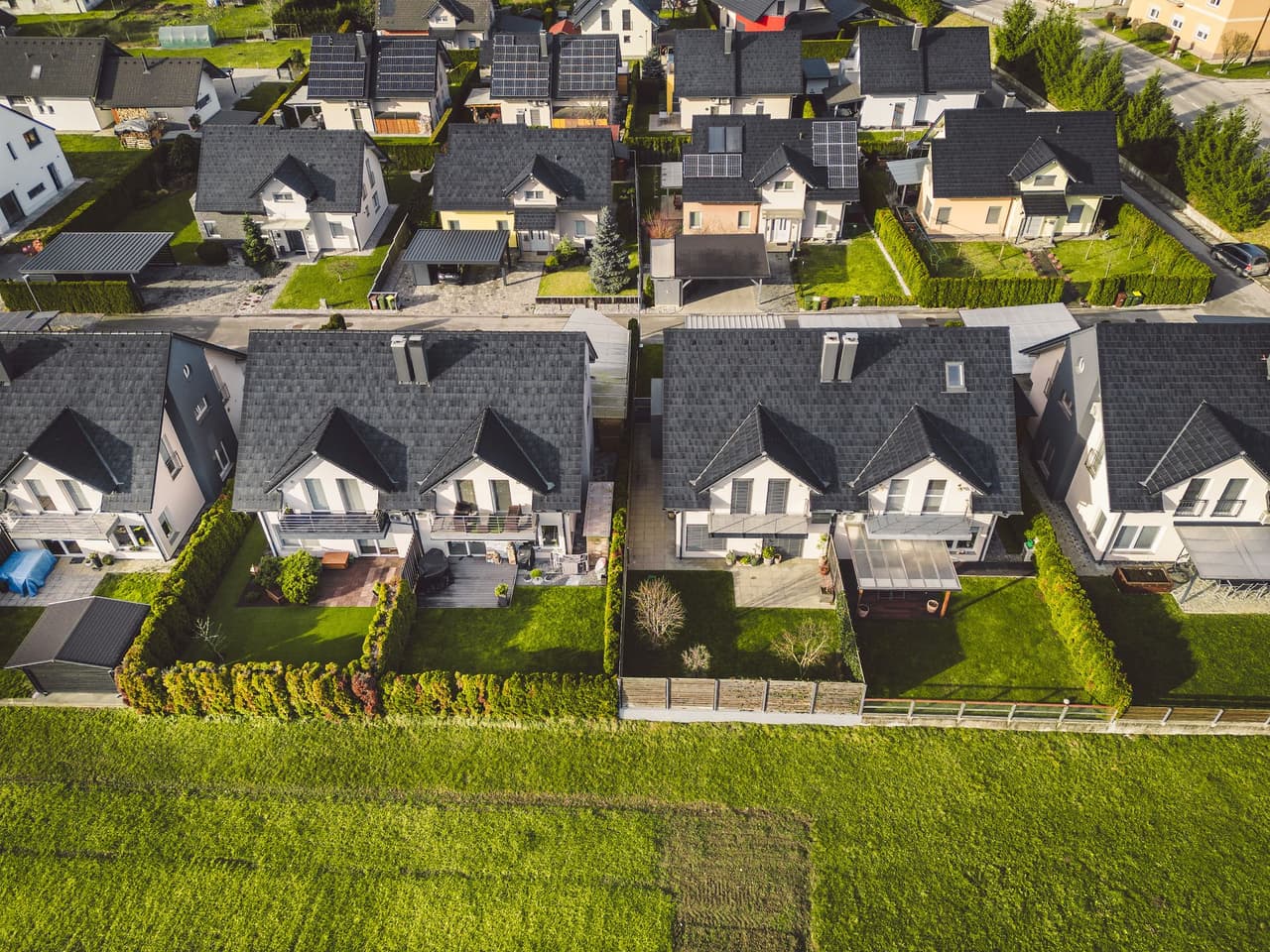
Sustainable living is no longer just a trend for high-end custom builds—it has rapidly shifted into a primary consideration for everyday homebuyers, sellers, and real estate professionals. As utility costs rise and environmental awareness increases, modern buyers are seeking energy-efficient features, healthier indoor environments, and verified green home certifications.
For real estate agents looking to stand out in a competitive market, specializing in eco-friendly properties represents one of the fastest-growing niches in real estate today.
Quick Summary
The demand for eco-friendly homes and green-certified properties is accelerating driven by millennial and Gen Z homebuyer preferences, tax incentives, and lower long-term operating costs. Real estate professionals who understand green building standards—such as LEED, ENERGY STAR®, and NAR's Green Designation—can better position properties, justify premium valuations, and serve an expanding market of sustainability-minded clients.
Why the Demand for Green Real Estate Is Surging
The shift toward sustainable housing is driven by practical financial benefits alongside environmental values:
- Lower Utility Bills: Energy-efficient HVAC systems, high-R-value insulation, smart thermostats, and solar installations deliver significant, measurable monthly savings.
- Health and Indoor Air Quality: Low-VOC paints, advanced air filtration systems, and non-toxic building materials appeal directly to health-conscious buyers.
- Government and Utility Incentives: Federal programs like the Energy Efficient Home Improvement Credit make eco-friendly upgrades more affordable than ever.
- Resale Value and Marketability: Research continuously indicates that green-certified properties often achieve higher market values and resale price premiums over conventional homes.
Top Green Home Certifications Real Estate Agents Should Know
When helping clients evaluate sustainable properties, understanding third-party certifications helps establish credibility and verify a home's actual efficiency performance:
1. ENERGY STAR® Certified Homes
Administered by the U.S. Environmental Protection Agency (EPA), an ENERGY STAR certified home is at least 10% to 20% more energy-efficient than standard homes built to code. Features typically include tight ductwork, high-efficiency appliances, and superior thermal enclosure systems.
2. LEED for Homes (Leadership in Energy and Environmental Design)
Developed by the U.S. Green Building Council (USGBC), LEED is one of the most recognized global standards for sustainable building. It evaluates whole-home performance across energy efficiency, water conservation, indoor environmental quality, and sustainable site selection.
3. Home Energy Rating System (HERS) Index
Calculated by certified RESNET raters through the RESNET HERS Index, this score provides a standardized numerical index for a home’s energy performance:
- Score of 100: Represents a standard new reference home built to code.
- Score of 0: Represents a Net Zero Energy home that produces as much energy as it consumes.
- Lower scores indicate greater efficiency (e.g., a HERS score of 50 means the home is 50% more efficient than standard code).
4. National Green Building Standard (NGBS)
Approved by ANSI and managed by the Home Innovation Research Labs, NGBS certifies residential buildings across four performance tiers (Bronze, Silver, Gold, Emerald) based on site design, resource efficiency, and indoor environmental quality.
How Real Estate Professionals Can Capitalize on the Green Niche
Becoming a go-to expert in sustainable real estate creates clear differentiation in local markets:
- Earn Green Credentials: Earning certifications such as the NAR Green Designation demonstrates specialized knowledge in green building features, valuation methods, and sustainability marketing.
- Highlight Green MLS Features: Accurately list energy-efficient features (solar capacity, heat pump specs, tankless water heaters) in MLS fields so appraiser and buyer algorithms index them correctly.
- Educate Buyers and Sellers: Help sellers quantify energy savings when pricing their home and help buyers understand the long-term ROI of purchasing an eco-friendly property.
- Build a Sustainable Vendor Network: Connect with local solar contractors, energy auditors, and green builders to offer trusted referrals to clients.
Key Takeaways: Eco-Friendly Homes and Green Building Standards
- Green Real Estate Is a High-Growth Niche: Eco-friendly homes are no longer a luxury extra—they are a primary buying criterion for energy-conscious consumers.
- Certifications Offer Verified Proof: Third-party labels like LEED, ENERGY STAR, and HERS scores remove guesswork and provide measurable value for appraisals and listings.
- Agents Gain a Competitive Advantage: Specialized knowledge in sustainable housing helps real estate professionals win listings, market homes effectively, and connect with modern buyers.
Conclusion
As sustainability moves from a niche preference to a mainstream priority, eco-friendly homes and green certifications represent a powerful area of growth for the real estate industry. For agents and brokers, mastering green building standards and energy efficiency isn't just about protecting the environment—it's a high-impact strategy to better serve clients, increase property value, and stay ahead of market trends.
Eco-Friendly Homes & Green Certifications: Frequently Asked Questions (FAQs)
Do eco-friendly homes really sell for more money?
Yes, multiple industry studies indicate that homes with recognized green certifications (such as LEED or ENERGY STAR) frequently command a price premium compared to non-certified properties. Buyers recognize the long-term savings on utility bills and are willing to invest more upfront.
What is the easiest eco-friendly feature to add to a home before listing?
Installing smart thermostats, upgrading to LED lighting, adding low-flow plumbing fixtures, and sealing air leaks around doors and windows are cost-effective, high-impact improvements that immediately appeal to green-minded buyers.
How do appraiser valuations account for green certifications?
Real estate agents can assist appraisers by providing completed Green Addendums (such as the Appraisal Institute’s Form 820.05), which document energy-efficient features, solar production data, and third-party green certifications directly for the valuation report.
Where can I learn more about real estate licensing and professional development?
To explore continuing education, licensing courses, and career resources for real estate professionals, visit Sunland Real Estate Education.


