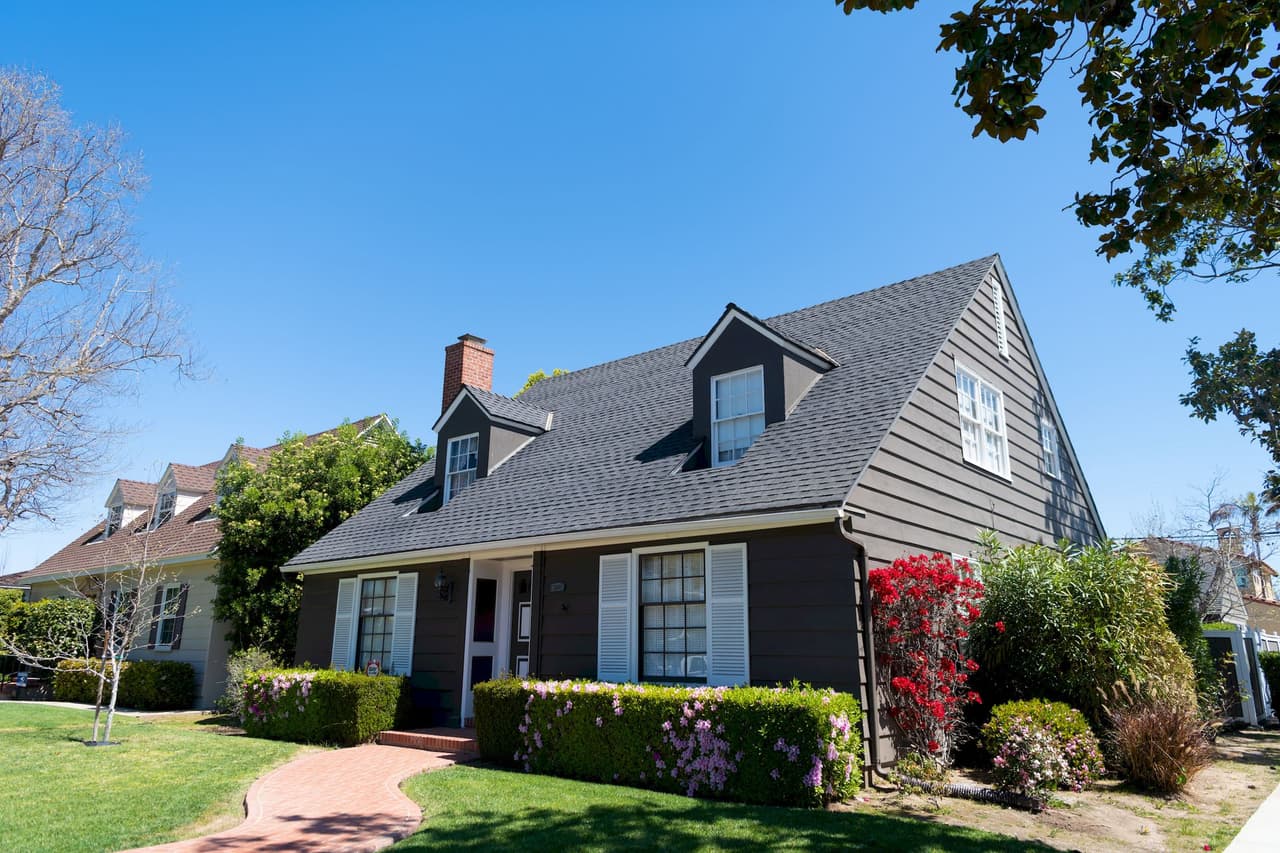
Tennessee has become home to some of the country’s most closely watched real estate markets. Continued population growth, major corporate investments, expanding employment opportunities, and the absence of a state individual income tax have strengthened the state’s appeal among homebuyers, businesses, and investors.
Nashville remains Tennessee’s largest and most recognizable housing market, but the state’s real estate opportunities extend well beyond the capital. Shifting migration patterns, growing transaction volume, relative affordability, and continued residential development are bringing greater attention to communities throughout Middle and East Tennessee.
For real estate professionals, the most important question is not simply, “Where are home prices increasing?” Market growth can take many forms, including more closed sales, shorter marketing times, expanding housing inventory, inbound buyer interest, and sustained demand in affordability-driven corridors. Even a market with flat or temporarily declining prices may present significant opportunities when population growth and transaction activity remain healthy.
Understanding these differences can help agents identify emerging opportunities, provide better guidance to clients, and adapt their business strategies to changing local conditions. This guide examines five Tennessee real estate markets that agents, brokers, and investors should watch in 2026: Nashville, Knoxville, Chattanooga, Murfreesboro, and Clarksville.
Quick Summary: Tennessee Housing Markets to Watch in 2026
- Chattanooga has the strongest near-term momentum of the five markets, with a 4.3% annual increase in median sale price, an 11.5% rise in closed sales, and a 22-day reduction in median days on market as of June 2026.
- Knoxville continues to attract buyers with relative affordability. Its median sale price increased 1.7% year over year while closed sales rose 9.7%.
- Nashville remains Tennessee’s highest-volume market and continues to draw out-of-state buyer interest, even as longer marketing times give buyers more leverage.
- Murfreesboro remains a major Middle Tennessee growth corridor. Prices softened, but sales increased by 5.6%, creating opportunities for agents who can explain value and negotiate effectively.
- Clarksville remains one of Tennessee’s more affordable large-city options. Current conditions favor careful pricing and strong buyer representation rather than automatic appreciation.
Market data in this article reflects three-month figures ending June 2026, as reported by Redfin. Housing conditions can vary significantly by ZIP code, neighborhood, property type, and price point.
What Makes a Tennessee Real Estate Market “Fast-Growing”?
No single statistic tells the complete story of a fast-growing housing market. Rising home prices may attract the most attention, but price appreciation is only one piece of a much larger picture. To accurately assess a market’s direction and long-term potential, real estate professionals should evaluate several factors together:
- Year-over-year changes in median sale price
- Growth or decline in closed transaction volume
- Median days on market
- Sale-to-list price ratios and the frequency of price reductions
- Population and household growth
- Inbound migration and buyer search activity
- New construction and employment growth
- Affordability compared with nearby markets
This broader perspective is especially important in 2026 because Tennessee’s housing markets are not all moving in the same way. Some cities are recording more completed sales without dramatic price appreciation, while others continue to gain value even as homes take longer to sell. A market may also experience strong population growth while short-term transaction activity temporarily slows.
For real estate professionals, understanding these distinctions is essential. Each market’s particular combination of pricing, inventory, demand, and affordability should shape an agent’s approach to listing strategy, buyer counseling, lead generation, and geographic specialization. Looking beyond a single headline statistic allows agents to provide clients with a more accurate—and far more useful—picture of local market conditions.
1. Chattanooga: Tennessee’s Standout Market for Sales Momentum
Chattanooga is emerging as one of Tennessee’s most dynamic real estate markets. Among the cities in this comparison, it stands out for achieving three important signs of market strength at the same time: rising home prices, increasing sales activity, and substantially faster transactions.
During the three months ending June 2026, Chattanooga’s median sale price reached approximately $359,800, representing a 4.3% year-over-year increase. Closed sales climbed 11.5%, while median days on market dropped sharply from 57 to just 35 days. Together, these figures point to strengthening buyer demand and a healthier pace of activity—particularly notable in a market that remains more affordable than Nashville and Murfreesboro.
Chattanooga’s momentum is supported by more than housing costs alone. The city combines abundant outdoor recreation with a growing technology and entrepreneurial community, convenient access to Interstates 24 and 75, and a strategic location between major Southeastern markets such as Nashville and Atlanta. Buyers can also choose from an unusually diverse range of properties, including downtown residences, established suburban neighborhoods, new-construction communities, and luxury homes.
For Tennessee real estate professionals, that combination of affordability, lifestyle appeal, and expanding market activity makes Chattanooga much more than a secondary market. It is increasingly becoming a destination in its own right—and one that deserves close attention.
What Chattanooga’s Growth Means for Real Estate Professionals
Chattanooga’s overall market momentum creates valuable opportunities for real estate professionals, but it does not mean every neighborhood, property type, or price range is experiencing the same level of demand. Market conditions can vary considerably among downtown condominiums, historic North Shore homes, established communities in East Brainerd and Hixson, newer developments in Ooltewah, luxury properties on Signal Mountain, and communities throughout the surrounding area.
For agents, this variation makes neighborhood-level expertise especially important. Citywide statistics provide useful context, but a detailed comparative market analysis is necessary to determine how a particular property is likely to perform. Pricing, competition, buyer demand, and average marketing time should be evaluated within the property’s immediate submarket rather than against Chattanooga as a whole.
Real estate professionals can provide greater value by closely monitoring:
- Properties and price ranges selling substantially faster than the citywide median
- New-construction incentives and how they compare with concessions offered by resale sellers
- Flood zones, steep slopes, insurance costs, and other property-specific considerations
- Relocation demand from Nashville, Atlanta, and other major Southern markets
- Neighborhoods and price points where multiple-offer situations remain common
- Changes in inventory, price reductions, and sale-to-list ratios across individual communities
Agents who understand these local differences can help sellers price and position their homes more effectively while giving buyers a clearer picture of where competition is strongest. In a market as varied as Chattanooga, detailed local knowledge is what turns broad market growth into practical guidance for clients.
2. Knoxville: Strong Sales Growth and Continued Relocation Appeal
Knoxville remains one of the most closely watched real estate markets in Tennessee. It combines a major university, regional healthcare, tourism access, and a comparatively attainable price point.
During the three months ending June 2026, Knoxville recorded a median sale price of about $325,400, an increase of 1.7% year over year. Closed sales rose 9.7%, although median days on market increased slightly to 52 days.
Buyer search behavior also points to continued relocation interest. Redfin reported that Nashville generated more inbound searches to Knoxville than any other metro during the first quarter of 2026, followed by Chicago and Los Angeles. Search activity does not equal completed moves, but it gives agents a useful view of where prospective demand may originate.
What Knoxville’s Growth Means for Real Estate Professionals
Knoxville’s continued growth creates opportunities for professionals who can help buyers understand both the city and the surrounding region. Relocation clients may compare Knoxville with other Tennessee markets or more expensive out-of-state metros, making accurate guidance about affordability, commuting patterns, utilities, property characteristics, and new construction especially valuable.
Agents should also be prepared to explain the practical differences among Knoxville, Farragut, Maryville, Oak Ridge, and nearby communities. This localized knowledge can help buyers narrow their searches based on their budgets, housing needs, and priorities.
For listing agents, Knoxville’s modest citywide price appreciation suggests that buyers remain active but selective. Property condition, presentation, and accurate pricing still matter. By reviewing current comparable sales and competing inventory, agents can help sellers set realistic expectations rather than relying on the rapid appreciation of previous years.
3. Nashville: Tennessee’s Largest Market Enters a More Selective Phase
Nashville remains the center of gravity for the Tennessee real estate market as a whole. Its scale, employment base, entertainment economy, healthcare sector, and national profile continue to generate housing demand. However, the 2026 market rewards precision more than momentum-driven pricing.
During the three months ending June 2026, Nashville’s median sale price was approximately $479,700, up 1.0% year over year. Closed sales increased 6.5%, but homes took a median of 61 days to sell—four days longer than one year earlier. The sale-to-list ratio was 97.7%.
Redfin’s search data also shows that Los Angeles, Chicago, and Seattle were leading sources of prospective inbound demand during the first quarter of 2026. At the same time, Knoxville, Clarksville, and Chattanooga were the most common Tennessee destinations searched by Nashville-area users looking elsewhere. This suggests that affordability and lifestyle are helping redistribute demand within the state.
What Nashville’s Growth Means for Real Estate Professionals
Nashville is increasingly a market for submarkets. The strategy for a downtown condominium should not resemble the strategy for a single-family home in Antioch, Bellevue, Madison, or Hermitage.
Agents should pay close attention to:
- Neighborhood-level inventory and absorption rates
- Builder incentives that compete with resale listings
- Homeowners' association costs and condominium inventory
- Price reductions and seller concessions
- Affordability-driven movement toward outer Davidson County and neighboring counties
In this environment, professionals who can interpret micro-market data will be more valuable than those relying on broad claims about Nashville’s popularity.
4. Murfreesboro: More Transactions, More Negotiating Room
Murfreesboro continues to benefit from Middle Tennessee’s long-term expansion. Its location along Interstate 24, access to Nashville, presence of Middle Tennessee State University, and substantial residential development keep it relevant for buyers, builders, and investors.
The current numbers also demonstrate why “market growth” needs context. During the three months ending June 2026, Murfreesboro’s median sale price was approximately $415,800, down 2.8% year over year. Yet closed sales increased by 5.6%. Median days on the market rose to 61 days, and the average sale-to-list ratio was 98.8%.
In other words, the market is still producing transactions, but buyers have more time and leverage than they did during the most competitive years.
What Murfreesboro’s Growth Means for Real Estate Professionals
Murfreesboro agents should be prepared to compare resale homes with new construction on a payment-by-payment basis. Builder rate buydowns, closing-cost contributions, warranties, and upgrades can change the value equation even when a resale property has a lower asking price.
This is also a strong environment for professionals who know how to:
- Build pricing strategies around current competing inventory
- Explain seller concessions and financing incentives
- Market commute access and neighborhood amenities accurately
- Counsel sellers on preparation, repairs, and realistic timelines
5. Clarksville: Affordability and Long-Term Growth Potential
Clarksville has become one of Tennessee’s most important affordability markets. Its relationship with Fort Campbell, proximity to Kentucky, expanding housing stock, and lower price point give it a distinct buyer base.
During the three months ending June 2026, the median sale price was approximately $314,800—the lowest among the five cities in this article. Prices were essentially flat year over year, while closed sales declined 4.4% and median days on market rose to 74 days. The sale-to-list ratio, however, remained relatively firm at 98.6%.
Those figures do not make Clarksville the hottest short-term market in Tennessee. They make it a market to watch because affordability, population growth, military-related housing needs, and development can support long-term transaction opportunities even during a slower cycle.
What Clarksville’s Growth Means for Real Estate Professionals
Clarksville rewards local specialization. Military households may have firm reporting dates, financing requirements, and shorter ownership horizons. Investors may focus on rentability and property management considerations. New-construction buyers may need help evaluating incentives, inspections, and resale implications.
Agents who serve this market should understand VA financing, avoid assumptions about military buyers, and stay current on inventory around Fort Campbell, Exit 1, Exit 4, Sango, and surrounding Montgomery County communities.
How Tennessee Real Estate Agents Can Prepare for Growing Markets
A growing real estate market can generate new clients, listings, and areas of specialization—but it can also create more competition and greater expectations. Clients do not simply need access to market statistics. They need professionals who can interpret those numbers, explain how conditions affect a specific property, and help them make confident decisions. Tennessee agents can prepare by focusing on five key areas.
Look Beyond Citywide Market Headlines
Citywide statistics may describe the general direction of a market, but they rarely tell the complete story. Conditions can vary significantly by ZIP code, neighborhood, property type, and price range. Monitoring inventory, pending sales, price reductions, seller concessions, and days on market at the local level allows agents to provide advice that is relevant to the property—not merely the city.
Become a Trusted Resource for Relocation Buyers
Many buyers moving to Tennessee are comparing several cities and may know little about the practical differences among them. Agents can stand out by providing accurate information about commuting patterns, utilities, property taxes, major employers, transportation access, and common property types. All neighborhood and community descriptions should remain objective and consistent with fair housing requirements.
Know How New Construction Affects the Resale Market
New construction communities do not compete only with other builders. Rate buydowns, closing-cost assistance, upgrades, and new inventory can also influence the pricing and marketability of nearby resale homes. Agents who understand these incentives can help buyers compare their full options and help resale sellers position their properties more effectively.
Turn Market Data into Stronger Pricing and Negotiation
When marketing times increase and price trends vary by neighborhood, accurate pricing becomes even more important. Effective agents look beyond the median sale price and evaluate comparable sales, competing inventory, price reductions, concessions, repair credits, and financing incentives. This deeper analysis can strengthen both the initial pricing strategy and the negotiation process.
Make Continuing Education Part of Your Market Strategy
Local market knowledge is valuable, but it must be supported by a current understanding of Tennessee real estate law, agency responsibilities, contracts, disclosures, ethics, and fair housing. Continuing education helps agents protect their clients, manage risk, and adapt their services as the market evolves. In a growing and increasingly competitive industry, staying informed is not simply a licensing requirement—it is a professional advantage.
Key Takeaways for Tennessee Real Estate Professionals
- Tennessee’s growth is distributed across several markets, not concentrated in Nashville alone.
- Chattanooga showed the strongest near-term momentum in this five-city comparison as of June 2026.
- Knoxville and Nashville recorded higher closed-sales volume along with modest price appreciation.
- Murfreesboro’s increase in transactions despite lower prices shows that market activity and price growth are not the same thing.
- Clarksville remains important because of affordability and its specialized military and relocation demand, even though current conditions are slower.
- Citywide statistics are a starting point. Agents should base advice on current, neighborhood-level MLS data.
- Growing markets favor professionals who understand relocation, new construction, financing incentives, pricing, and negotiation.
Frequently Asked Questions About Tennessee’s Fast-Growing Real Estate Markets
What are the fastest-growing real estate markets in Tennessee in 2026?
Chattanooga, Knoxville, Nashville, Murfreesboro, and Clarksville are five markets worth watching, but they are growing in different ways. Chattanooga has recently combined price growth, higher sales volume, and shorter marketing time. Knoxville and Nashville have recorded increased sales volume, while Murfreesboro and Clarksville remain important population and affordability corridors.
Which Tennessee city has the strongest housing market right now?
Based on the three-month period ending June 2026, Chattanooga showed the strongest overall momentum among the five cities reviewed. Its median sale price increased 4.3% year over year, closed sales rose 11.5%, and median days on market declined by 22 days. Conditions still vary by neighborhood and price range.
Is Nashville still a good real estate market for agents?
Yes. Nashville remains Tennessee’s largest and highest-volume market, with diverse opportunities in resale, new construction, relocation, luxury, investment property, and property management. However, longer marketing times and uneven submarket performance make accurate pricing and specialization increasingly important.
Is Knoxville’s real estate market still growing?
Knoxville continued to show growth as of June 2026. Its median sale price rose 1.7% year over year, and closed sales increased 9.7%. Its relative affordability and inbound search interest continue to support demand, although homes were taking slightly longer to sell.
Are Tennessee home prices still rising?
The answer depends on the city and property segment. In this comparison, median sale prices rose in Chattanooga, Knoxville, and Nashville but declined in Murfreesboro and were essentially flat in Clarksville. Agents should avoid applying statewide headlines to individual listings.
What skills do agents need in a changing Tennessee housing market?
Agents need strong local market analysis, pricing, negotiation, relocation, financing, new construction, contract, and fair housing knowledge. As markets become more balanced, clients place greater value on professionals who can interpret data and explain options clearly.
Turn Tennessee Market Knowledge into Better Client Service
The cities attracting attention in 2026 will not all move in the same direction at the same speed. That is exactly why trained, informed real estate professionals matter. By pairing current local data with strong knowledge of Tennessee law, contracts, ethics, and client representation, agents can turn shifting market conditions into better advice and better outcomes.
Whether you are preparing to earn a Tennessee real estate license or completing continuing education, Sunland Real Estate Education offers flexible online learning designed for today’s real estate professionals. Explore course options at Sunland Real Estate Education.
Sources
- U.S. Census Bureau: City and Town Population Totals, 2020–2025
- Redfin: Nashville Housing Market
- Redfin: Knoxville Housing Market
- Redfin: Chattanooga Housing Market
- Redfin: Murfreesboro Housing Market
- Redfin: Clarksville Housing Market
This article is for educational and informational purposes only. Market statistics change frequently and may be revised. Real estate professionals should consult current local MLS data and other authoritative sources before advising clients.


